5 Ways Ventilation Boosts Dairy Cow Milk Production
Proper ventilation improves dairy cow health and milk production by removing moisture, gases, and pathogens while regulating barn temperatures. By reducing heat stress and ensuring a constant supply of fresh air, systems like EG Agri and Royal DeBoer enhance animal comfort, leading to increased dry matter intake and significantly higher milk yields.
Why is ventilation critical for dairy cow health?
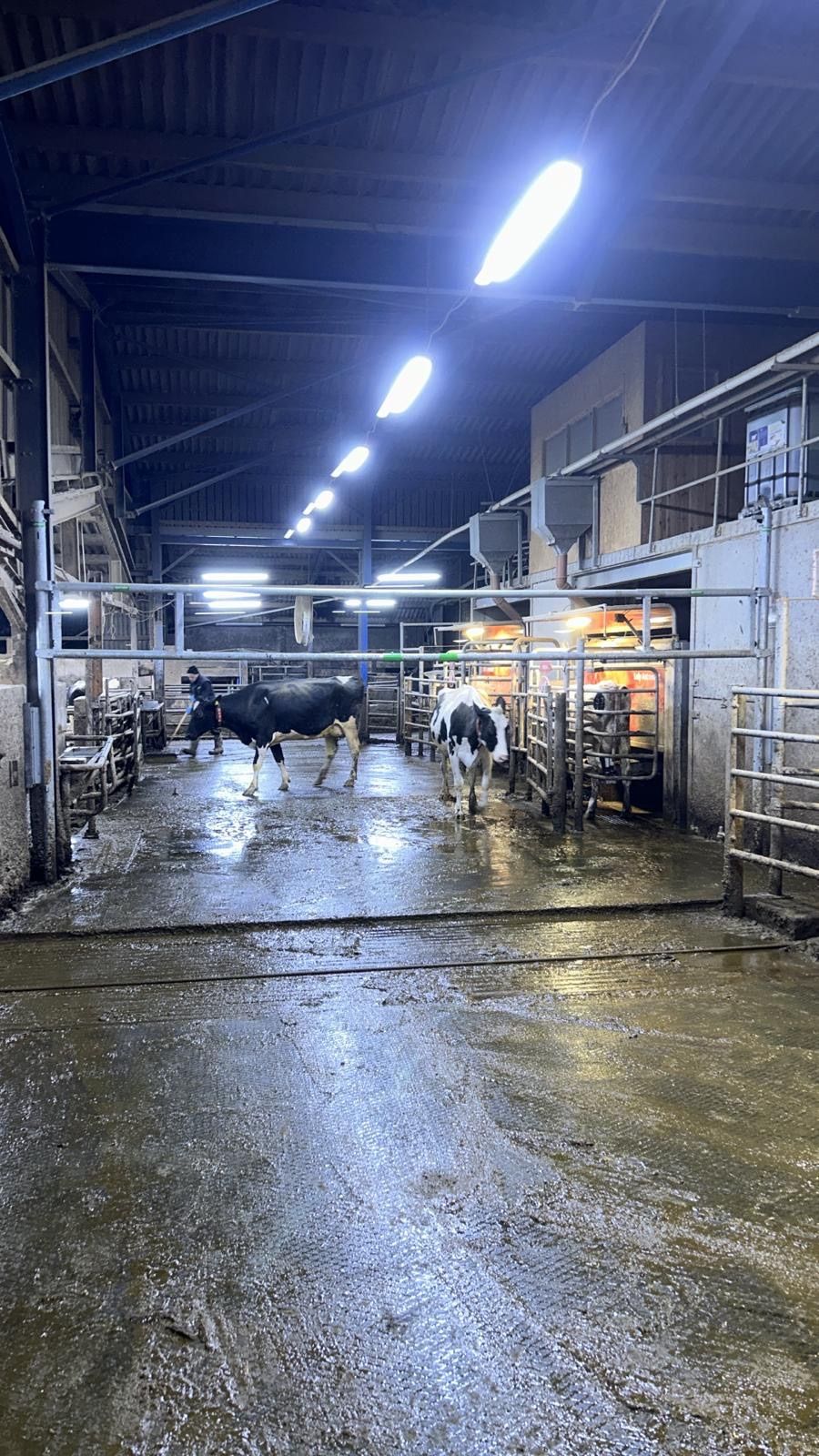
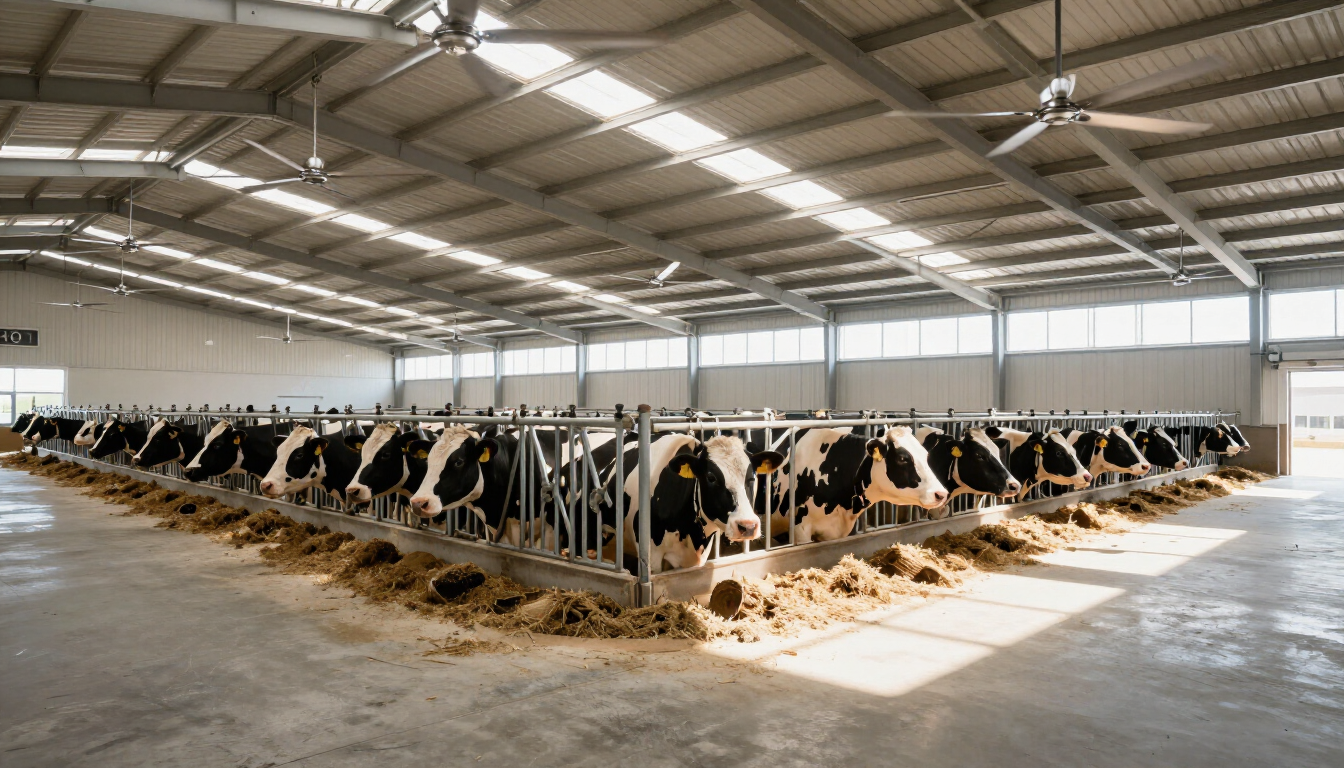
In the modern dairy industry, the environment in which a cow lives is just as important as the quality of the feed she consumes. Ventilation is not merely about moving air; it is about managing a complex microclimate within the barn to support the animal's biological needs. Cows are remarkably efficient heat producers. A high-producing dairy cow can generate as much heat as a small space heater. When thousands of pounds of animal weight are concentrated in a confined area, the accumulation of heat, moisture, and noxious gases like ammonia can create a toxic environment.
Without proper airflow, humidity levels rise, creating a breeding ground for bacteria and viruses. This often leads to an increase in respiratory infections, such as pneumonia, which can devastate a herd's health and longevity. Furthermore, poor air quality irritates the respiratory tract, making cows more susceptible to secondary infections. By implementing robust ventilation strategies, farmers can ensure that the air remains fresh, dry, and oxygen-rich, which is the foundational requirement for any healthy livestock operation.
How do positive pressure tube systems improve air quality?
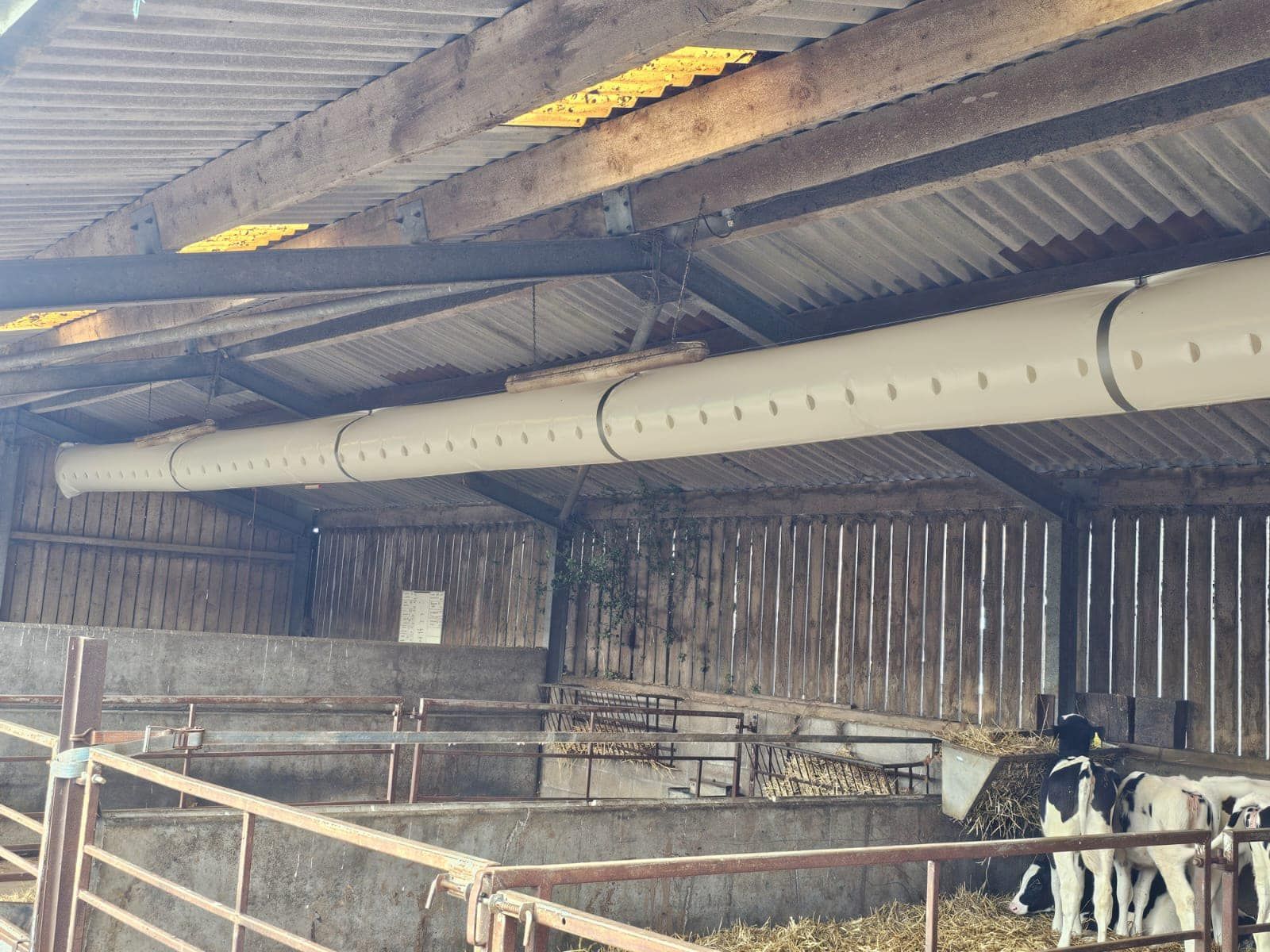
One of the most effective solutions for targeted air delivery is the EG Agri positive pressure tube system . Traditional natural ventilation often fails during still days or in specifically designed "dead zones" within a building. Positive pressure tube ventilation (PPTV) solves this by using a high-powered fan to pull fresh outside air into a perforated tube that runs the length of the barn.
These systems are particularly beneficial for:
- Calf Housing : Young calves have underdeveloped immune systems; EG Agri tubes deliver fresh air directly to the calf's level without creating a chilling draft.
- Uniform Distribution : The perforations are custom-engineered to ensure that every corner of the barn receives equal airflow.
- Eliminating Ammonia : By consistently pushing fresh air down, these systems displace heavy ammonia gas that typically sits at the floor level.
- Moisture Control : They help dry out bedding, reducing the risk of mastitis and hoof rot.
- Year-Round Operation : Unlike some systems that only work in summer, PPTV provides essential air exchange even in the coldest winter months.
Ensuring that your Product Range includes these advanced engineering solutions is vital for maintaining a competitive edge in dairy production. For more information on tailored setups, you can Contact our specialists today.
Maximising Airflow with Royal DeBoer ECV Fans
While tube systems are excellent for fresh air exchange, high-velocity cooling is often required to combat extreme heat. Royal DeBoer (ECV Fans) represent the pinnacle of mechanical ventilation technology. These fans are designed to move massive volumes of air at high speeds, creating a "wind chill" effect that directly cools the cows' skin.
Heat stress is a silent profit killer. When a cow’s internal temperature rises above its thermal neutral zone, she spends more energy trying to cool herself and less energy producing milk. Royal DeBoer fans are engineered for quiet, efficient operation, ensuring that the barn remains a sanctuary of comfort even during the height of summer. The Energy-efficient EC (Electronically Commutated) motors allow for precise speed control, meaning the system can ramp up or down based on the actual temperature sensors, saving the farm significant electrical costs while maintaining optimal conditions.
Integrating these fans into a holistic barn design ensures that there are no pockets of stagnant air. In many cases, these fans are placed over the feed alley and the stalls. This placement encourages cows to stand and eat more frequently and to lie down comfortably in their stalls, both of which are critical for maximum milk synthesis. Explore our Store to see the latest in mechanical cooling hardware.
Can Galebreaker ventilation systems reduce heat stress?
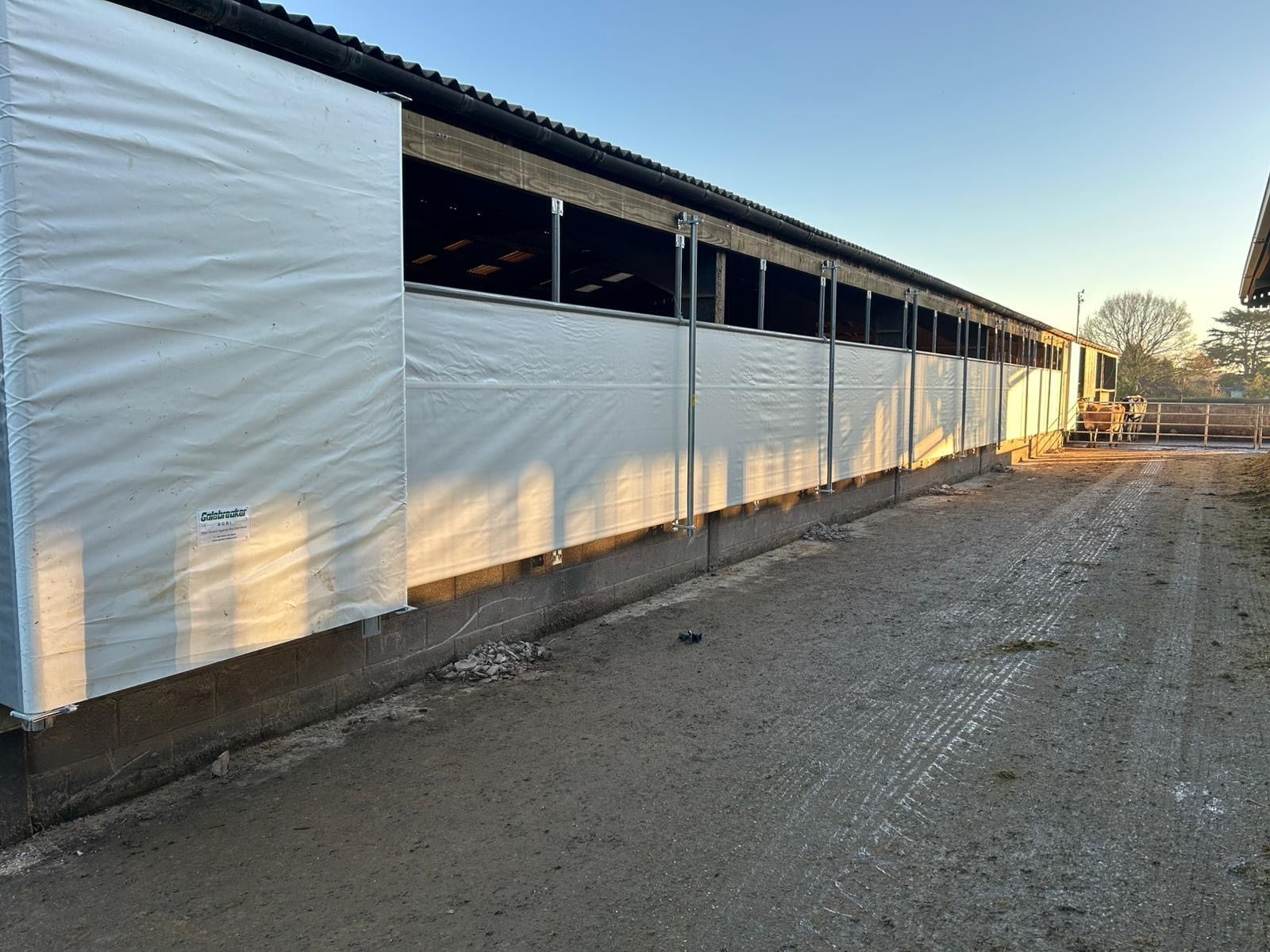
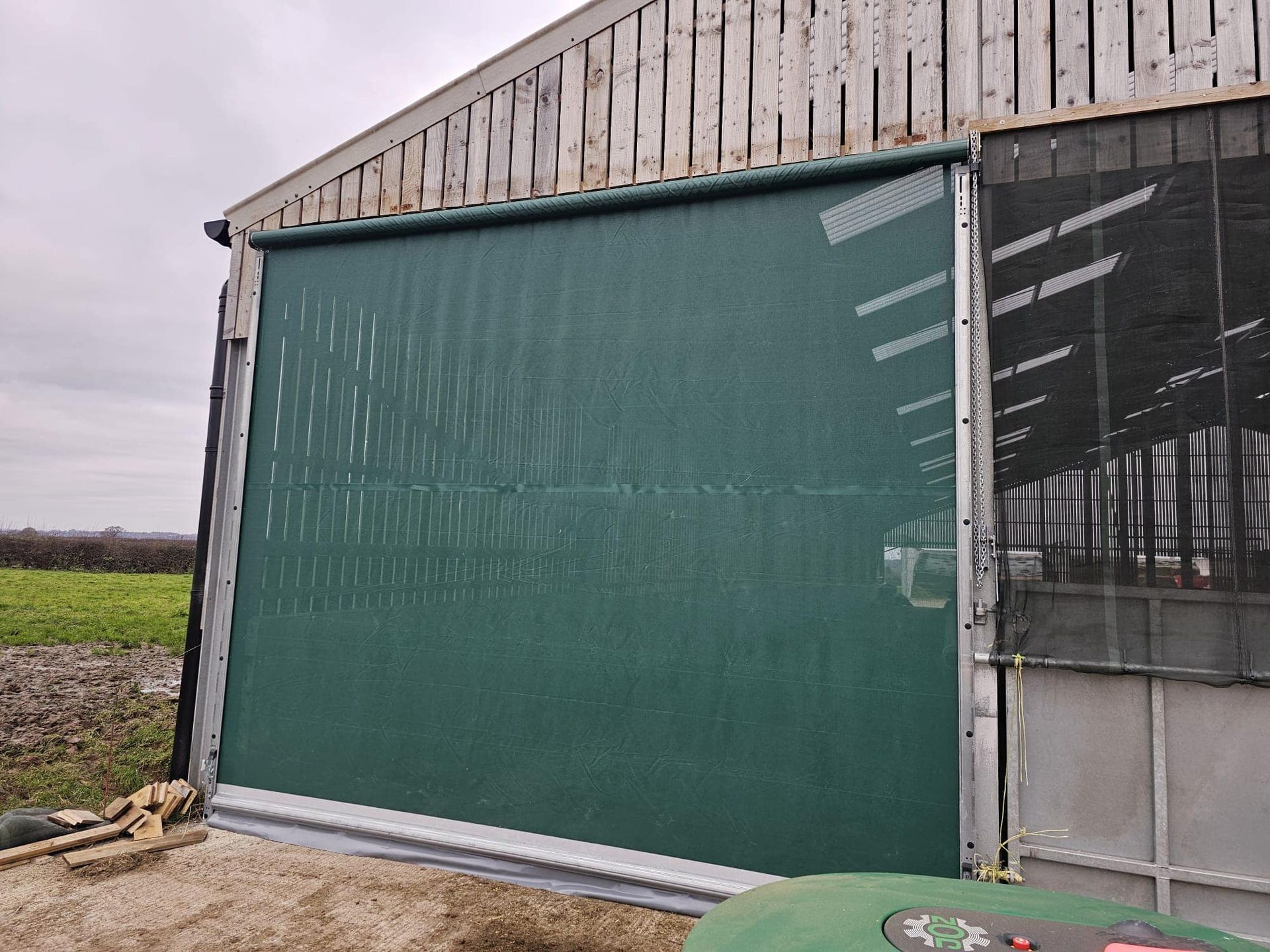
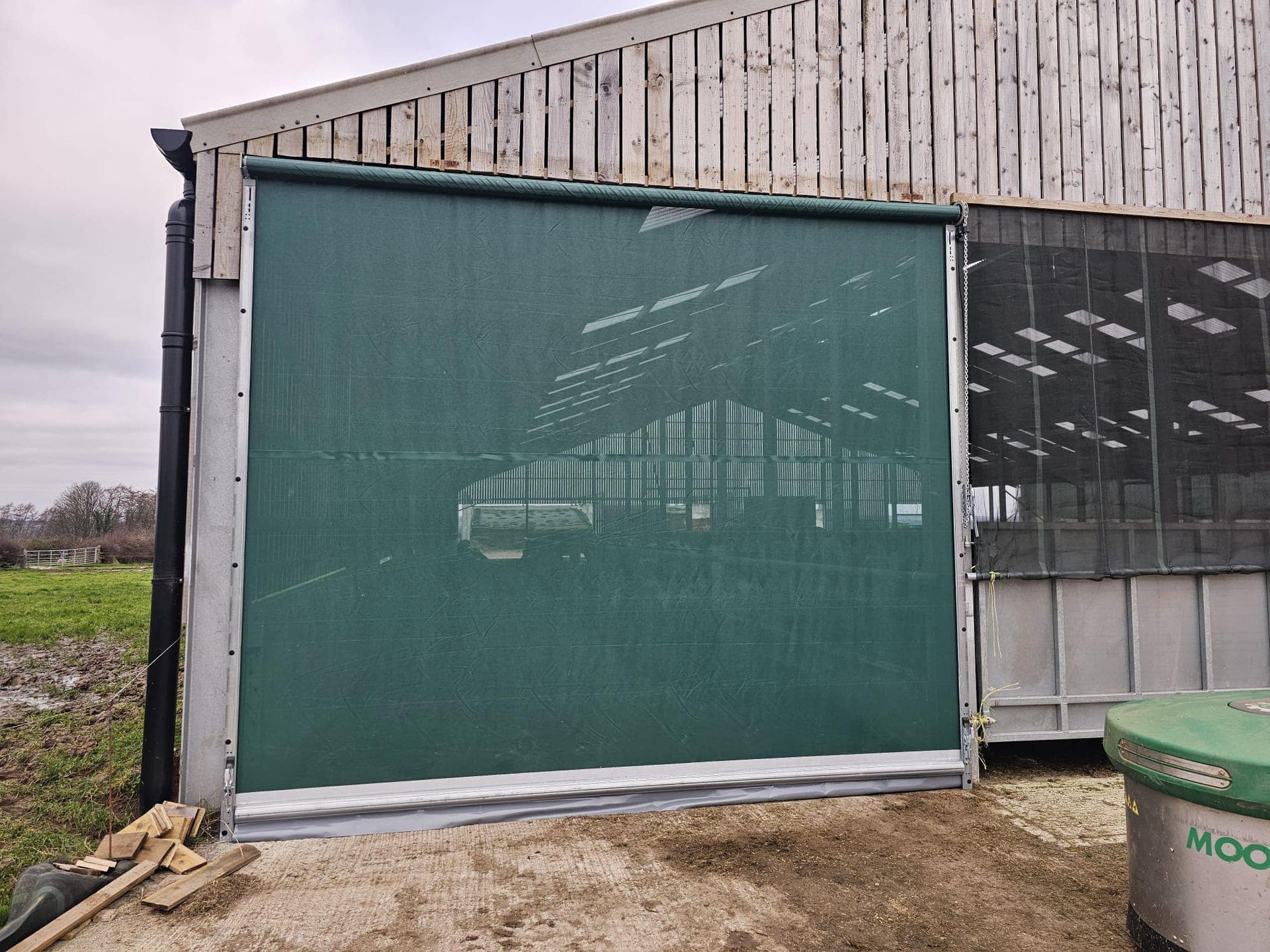
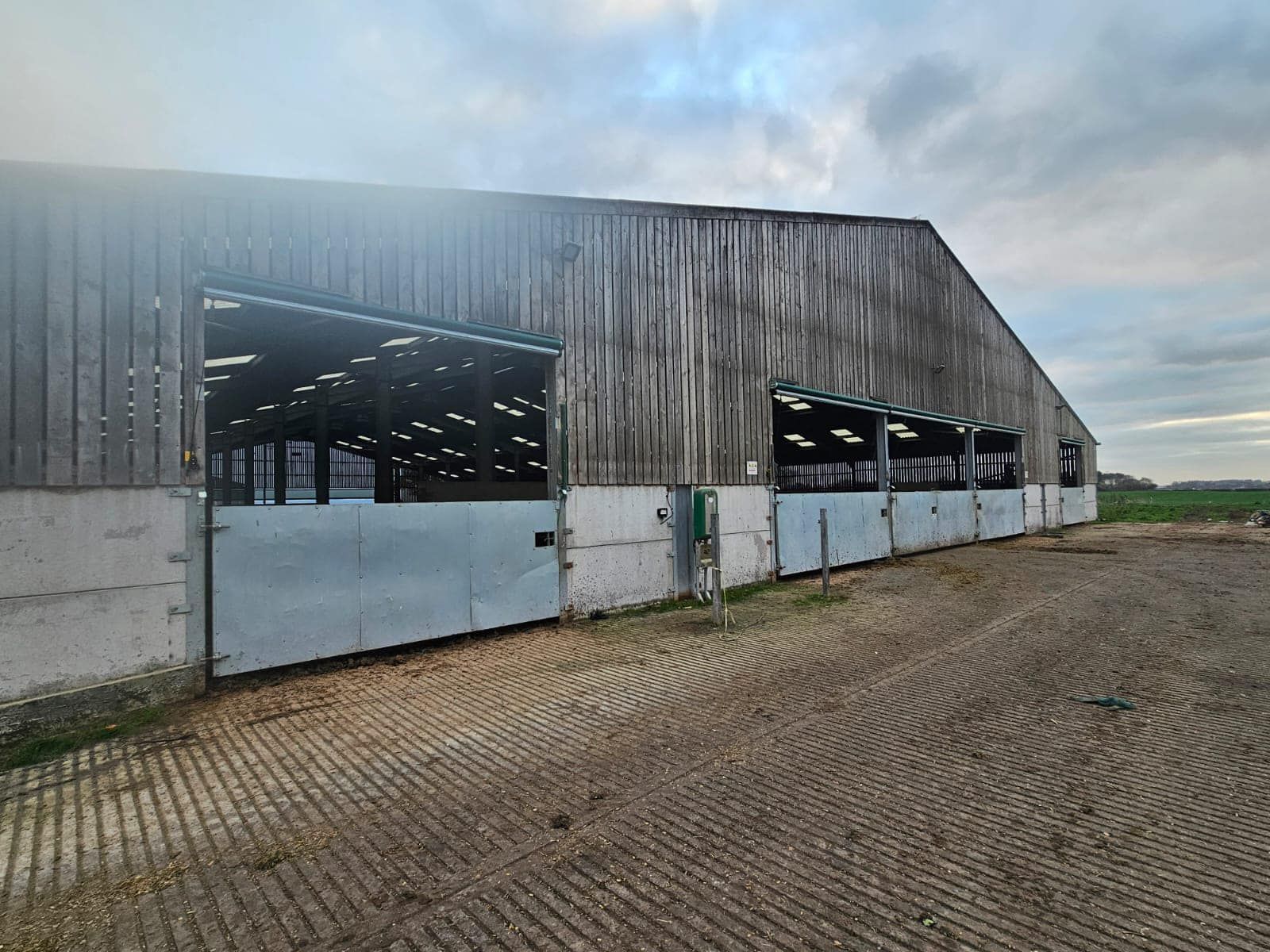
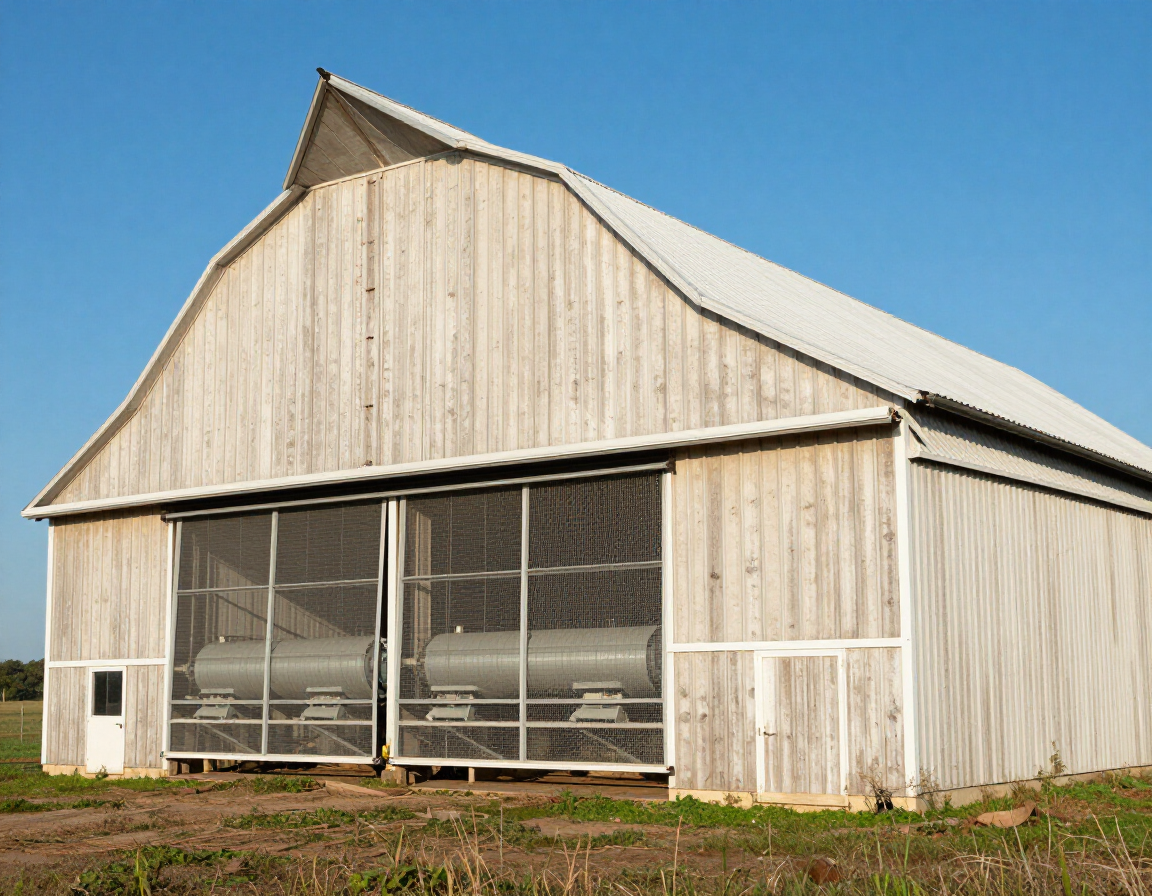
Controlling the internal environment often starts with managing the external openings of the building. Galebreaker ventilation systems provide the flexibility needed to adapt to changing weather conditions instantly. Unlike fixed walls or manual curtains, Galebreaker systems use advanced fabrics and automated rollers to shield cows from harsh winds and rain while allowing for maximum natural light and air permeability.
These systems are essential for:
- Protecting Against Drafts : In winter, Galebreaker screens can be lowered to block freezing winds while still allowing air to filter through.
- Enhancing Natural Ventilation : During summer, the screens can be fully retracted to allow the Royal DeBoer fans and natural breezes to do their work.
- Automated Climate Control : Many systems are linked to weather stations, automatically adjusting based on wind speed and rain detection.
- Durability : Built to withstand the corrosive environment of a dairy farm, these systems require minimal maintenance.
By combining these exterior controls with internal fans, farmers create a comprehensive "climate envelope" that protects the herd from external stressors while optimizing the internal atmosphere. You can read more about building protection in our News & Updates .
The Science of Cow Comfort
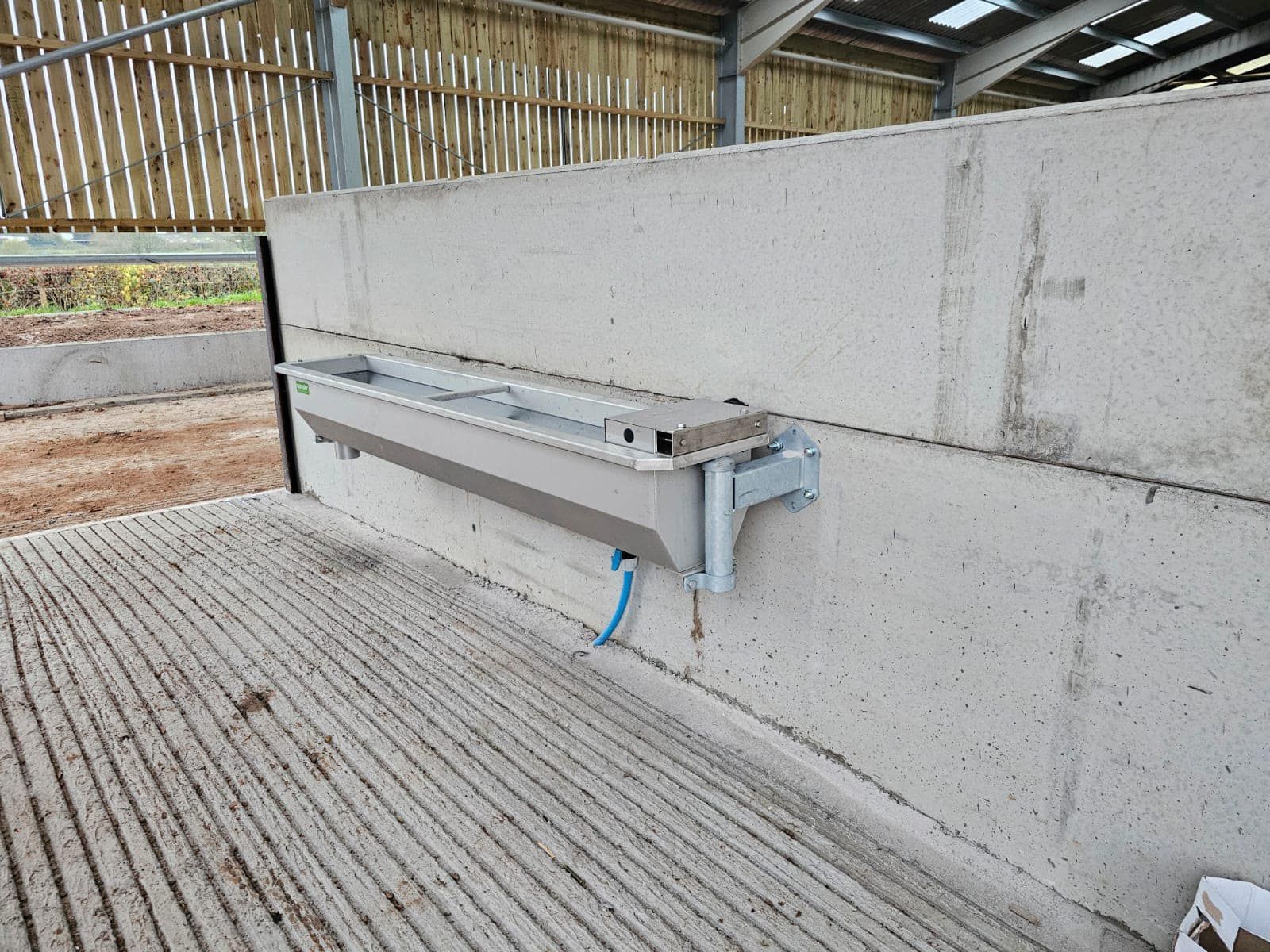
Cow comfort is not a luxury; it is a biological requirement for high performance. When a cow is comfortable, she lies down for 12 to 14 hours a day. During this time, blood flow to the udder increases by up to 50%, which is the primary driver of milk production. If a barn is poorly ventilated, cows will "bunch" together in the few cool spots available or stand for long periods near water troughs to escape the heat.
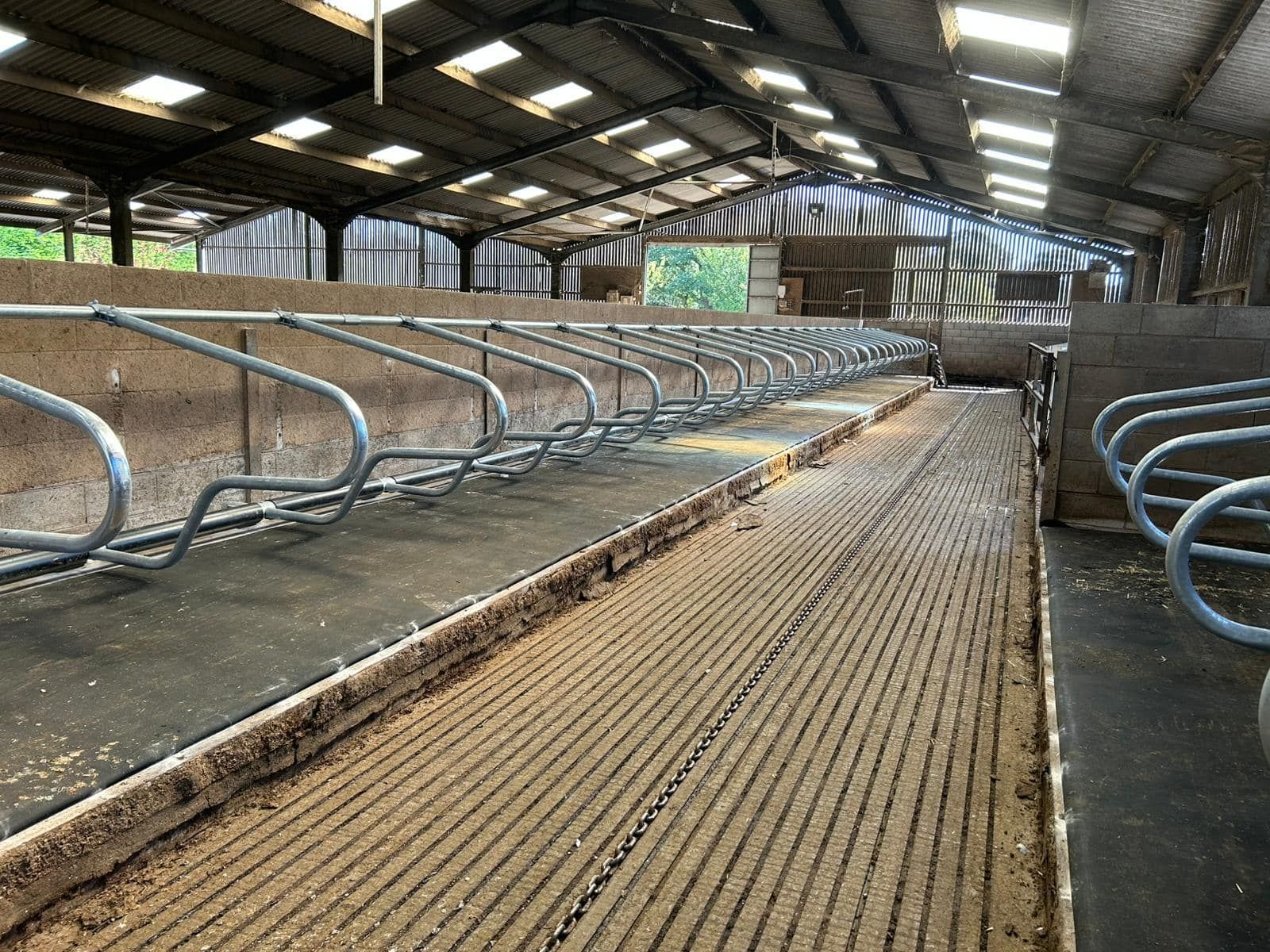
Standing too long leads to lameness, and bunching leads to increased heat stress and poor hygiene. A well-ventilated barn using EG Agri tubes and Royal DeBoer fans ensures that the entire stall area is inviting. By maintaining a consistent temperature and removing the heavy, humid air that cows exhale, you create an environment where the herd can rest effectively. High-quality ventilation also reduces the fly population, which further decreases stress and the spread of diseases. This holistic approach to comfort is what separates average farms from industry leaders.
What are the economic benefits of improved ventilation?
The return on investment (ROI) for advanced ventilation systems is often realized much faster than many farmers anticipate. While the initial capital expenditure for Royal DeBoer fans or Galebreaker systems may seem significant, the long-term gains in milk yield and reduced veterinary costs provide a compelling financial case.
Key economic drivers include:
- Increased Milk Yield : Cows in a thermoneutral environment produce 2-5 kg more milk per day than those suffering from heat stress.
- Improved Conception Rates : Heat stress significantly impacts fertility; better cooling leads to higher pregnancy rates and shorter calving intervals.
- Lower Culling Rates : Healthier cows stay in the herd longer, reducing the cost of raising replacement heifers.
- Reduced Electricity Waste : Modern EC motors in Royal DeBoer fans use significantly less power than older, belt-driven models.
- Better Feed Efficiency : When cows aren't using energy to pant and cool down, more of their caloric intake goes directly into the milk tank.
To learn more about the specific ROI for your facility, visit our About Us page to see how we have helped other farmers modernize their operations.
Key Performance Indicators for Barn Ventilation
To ensure your ventilation system is working at peak efficiency, you must regularly monitor key performance indicators (KPIs). It is not enough to simply install fans; you must verify that they are achieving the desired environmental results. Modern dairy managers use a combination of digital sensors and physical observations to gauge success.
Common KPIs include:
- Temperature Humidity Index (THI) : A calculation that combines temperature and humidity to determine the level of heat stress.
- Air Speed at Cow Level : Ideally, air should move at 2-3 meters per second in the stalls during hot weather.
- Respiratory Rates : Observing how many cows are panting (aim for less than 10% of the herd).
- Cying Time : Using activity monitors to track how many hours cows spend lying down.
- Ammonia Levels : Measuring PPM to ensure gas removal is effective.
By tracking these metrics, you can fine-tune your EG Agri and Galebreaker settings to ensure you are providing the best possible environment 24/7. Monitoring also helps in predictive maintenance, ensuring your Royal DeBoer fans are serviced before the heat of summer arrives.
Summary of Best Practices
In conclusion, proper ventilation is a multi-layered strategy that requires the right equipment and a deep understanding of animal behavior. By combining positive pressure delivery, high-velocity cooling, and automated building protection, you can transform your dairy operation into a high-performance environment.
- Deploy EG Agri tubes for fresh air exchange and calf health.
- Install Royal DeBoer fans for high-power cooling and heat stress mitigation.
- Utilize Galebreaker systems to manage external weather and natural airflow.
- Monitor KPIs to ensure the system is meeting the biological needs of your cows.
- Prioritize cow comfort to unlock the full genetic potential of your herd.
Investing in these technologies is an investment in the future of your farm. For more tips on agricultural management, head back to our Home page or browse our full Product Range . If you're ready to upgrade your barn, don't hesitate to Contact us for a consultation.
Recent Posts